

Later this week we will publish the results of laboratory analyses of lead levels in game meat sold in Sainsbury’s supermarkets. Here we provide background to the issue, following Monday’s blog on what Sainsbury’s say about the game meat they sell.
Lead is a poison and it is harmful to wildlife and to people. There is a vast literature on this subject, much of it is technical and scattered across the scientific literature. Here are some pointers to fairly accessible accounts that you can read in order to learn more about the subject:
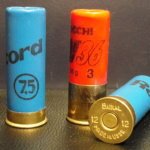
The current health advice from the Food Standards Agency is blunt, saying ‘Consuming lead is harmful, health experts advise to minimise lead consumption as much as possible.’ and ‘Those who eat lead-shot game should minimise the amount they eat, especially for small game animals.’ and ‘Exposure to lead can harm the developing brain and nervous system. So cutting down the amount of lead-shot game eaten is especially important for toddlers, children, pregnant women and women trying for a baby‘. But these warnings are not visible on packaging and, as we have seen , game suppliers are tight-lipped about such dangers and most supermarkets selling game do not highlight this issue at all.
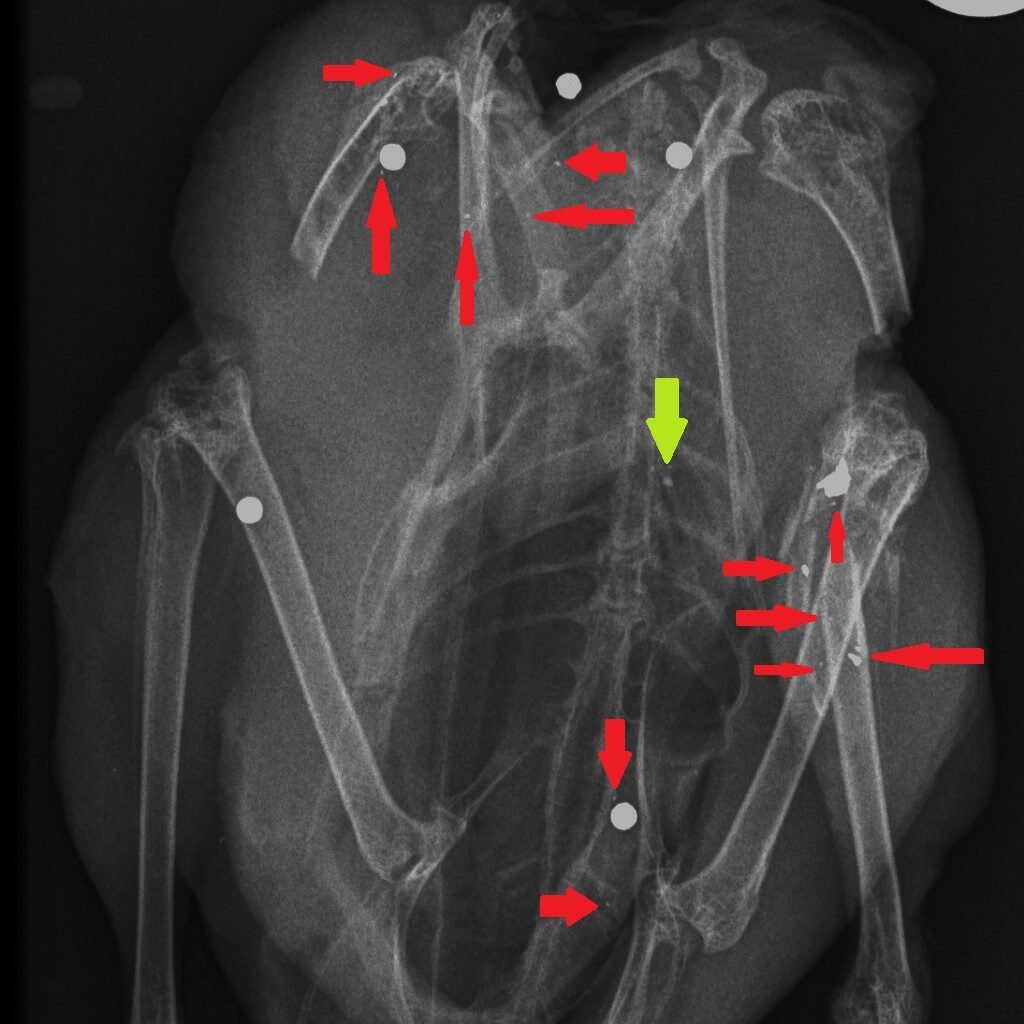
How could we reduce the risk of exposure to lead in game meat? It’s simple – stop shooting lead ammunition into animals that are destined for the human food chain. One of the useful properties of lead is that it is soft and malleable – that’s why, in the past, we have used it widely. But those same physical properties mean that lead passing through the flesh of a shot animal, hitting organs, soft tissue, bones and cartilage, shatters and tiny fragments of lead spread through the body of the animal. Here are three x-rays of shot birds that were bought in butcher’s shops and then x-rayed. The top x-ray is of a partridge and the other two are Red Grouse. Large white circular objects are lead shot. The green arrows point to fragments of bone and the red arrows indicate fragments of lead, from the shot, that have spread through the flesh.
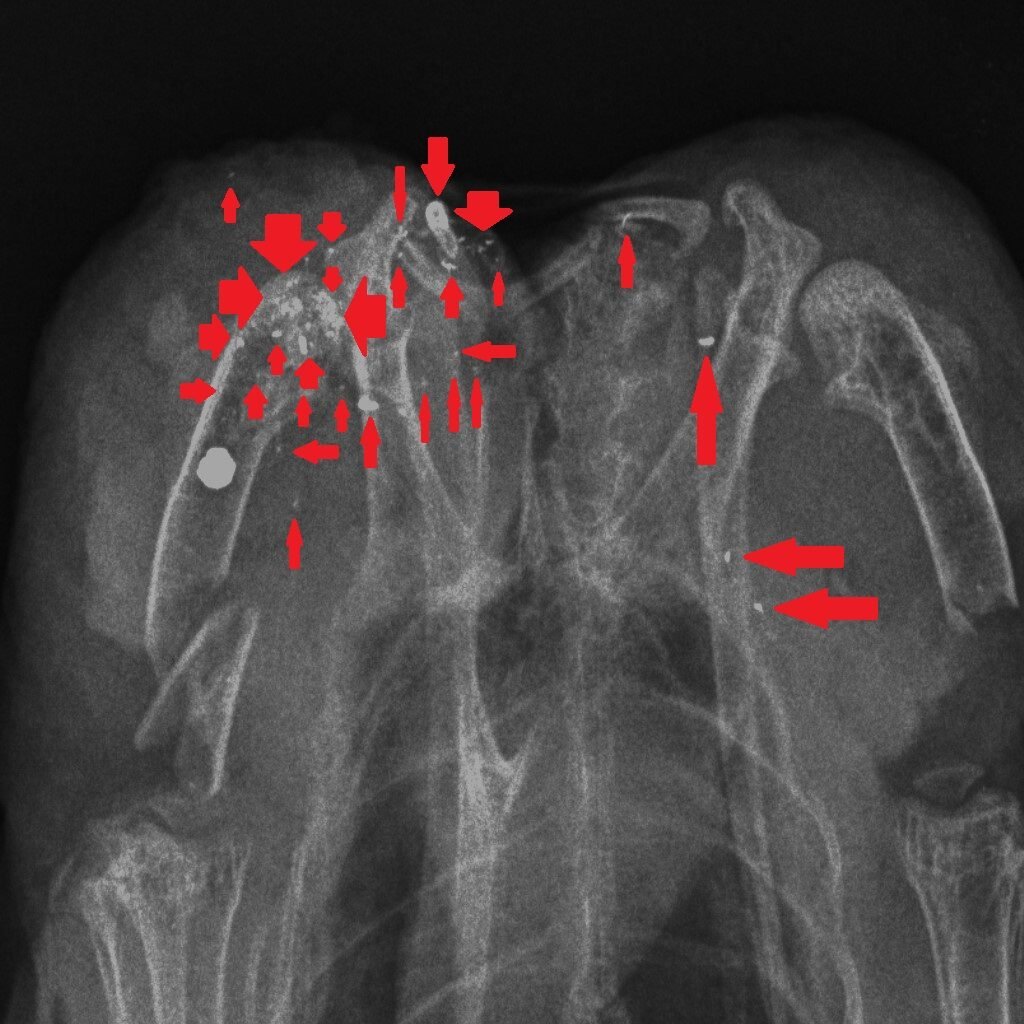
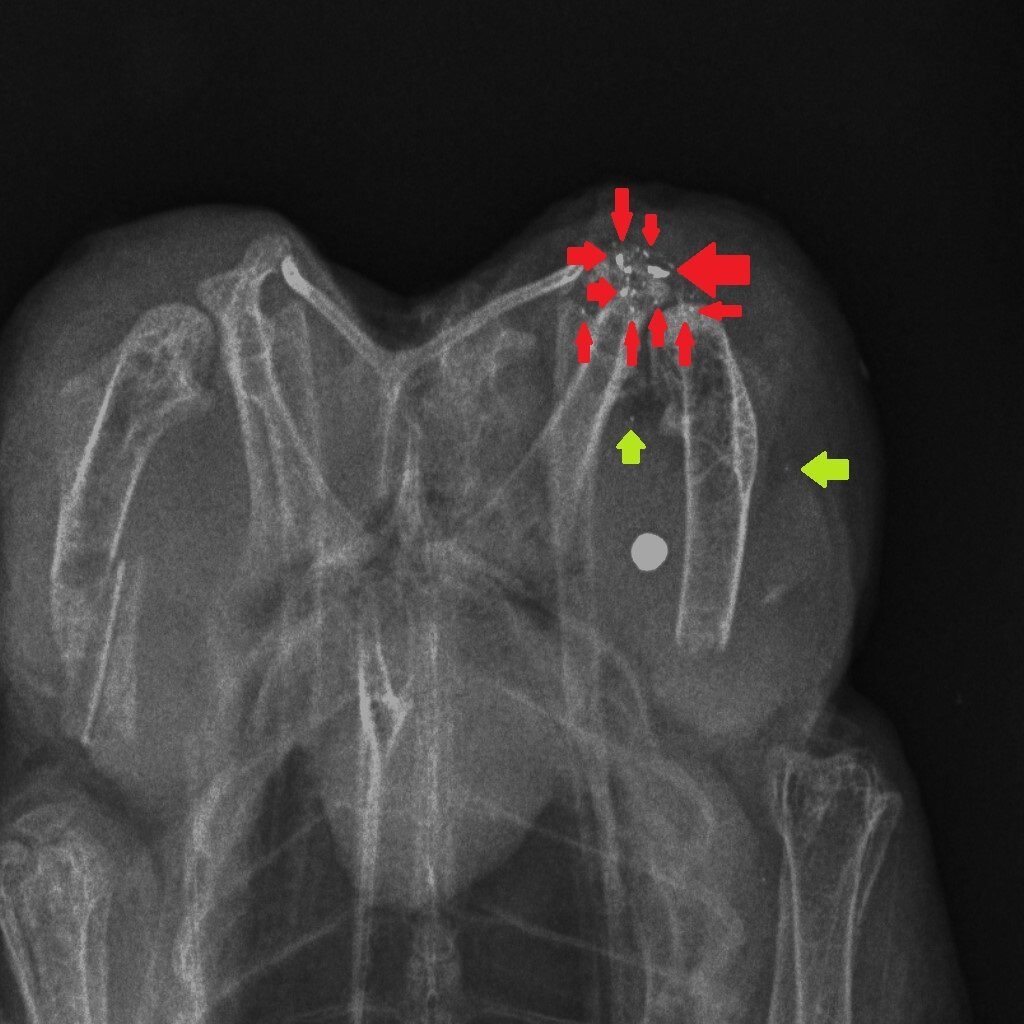
Almost all of the fragments of lead are tiny – far too small to be detected in the cooking or eating process. Yes, you can spit out the almost-intact lead shot but you can’t get rid of the fragments. The lead analyses that have been done in studies cited above, and in our own, remove the lead shot and analyse the lead content of the meat after that removal. So when Sainsbury’s say that their game meat has no lead shot in it that’s good (although careful eating would remove those anyway) but they are not removing the tiny fragments of lead. So removing the almost intact lead shot particles is pretty irrelevant to the lead levels in the meat, as we will show you later this week…