
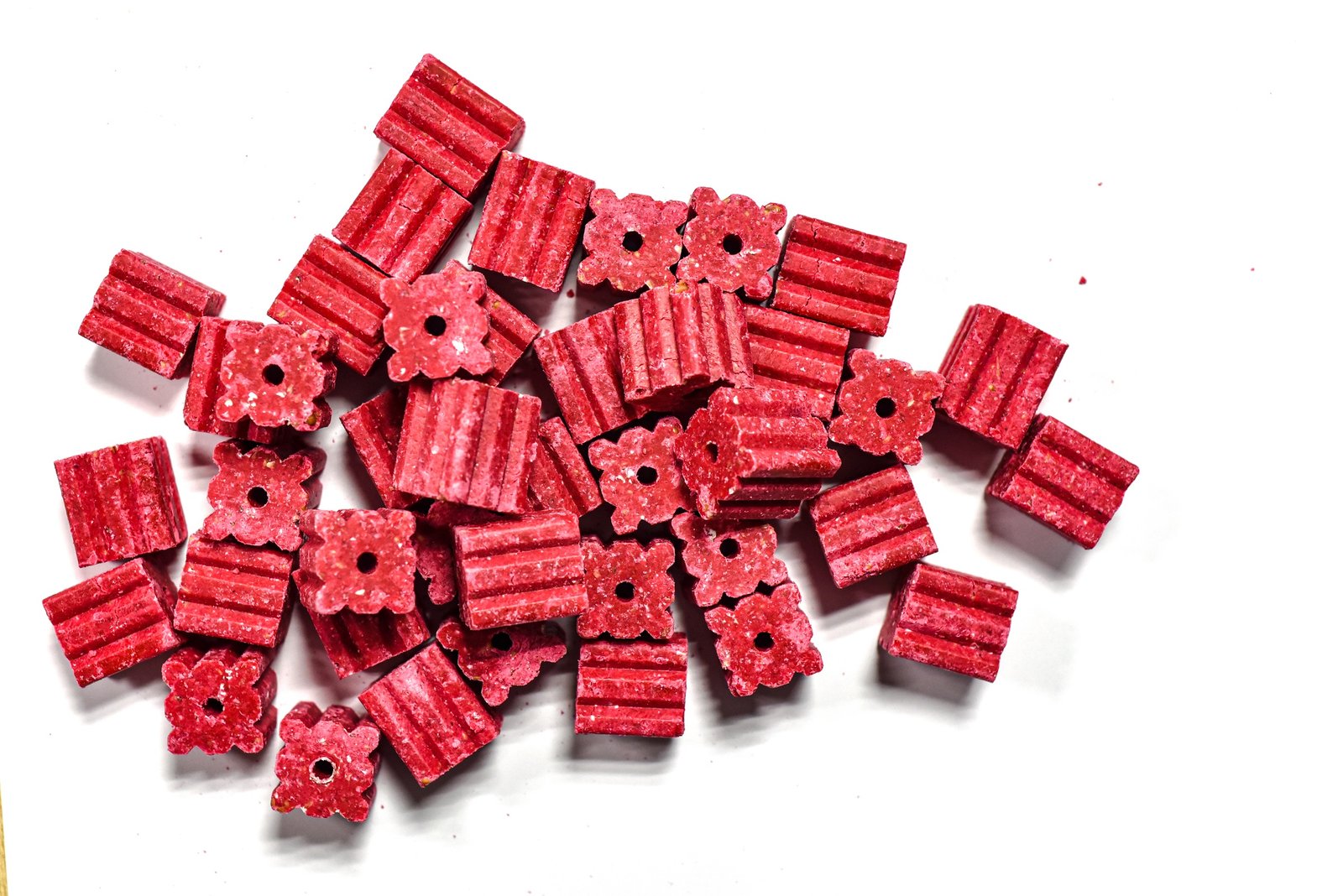
The poisons most often used against mice and rats are ‘anticoagulant’ rodenticides; they work by thinning the blood so that the animals bleed to death, a process that can take several days. Modern anticoagulant rodenticides are highly toxic and therein lies the problem: they are effective at killing rodents, but they also kill other animals that eat the poison, and, through secondary poisoning, they kill animals higher in the food chain that feed on poisoned prey.
Rodents have long been viewed as harmful pests. The non-native House Mouse and Brown Rat are the species that cause us most concern. Rats have never recovered their reputation after being blamed (probably wrongly as it happens) for being the main spreaders of the Black Death. In modern times, they continue to cause health concerns when they gain access to our food stores or places where food is prepared. Less convincingly, rats can be seen as a pest even out in the open countryside, well away from buildings. Pest control companies, keen to sell their services, lose few opportunities to amplify the perceived harms.
Poison is the most common method for killing rodents, being used by pest controllers, farmers and even the wider public. These poisons were once based on Warfarin and other similar chemicals, the so-called ‘first-generation’ rodenticides. But manufacturers have developed new products and it is ‘second-generation’ anticoagulant rodenticides (SGARs) that are mostly used today. These include Brodifacoum, which is hundreds of times more potent than the earlier poisons. Whenever you see one of those rectangular, plastic bait stations around the outside of a building, it is likely it will contain one of these SGAR poisons.
The SGARs in regular use today have failed their formal risk assessments for use outdoors, so everyone accepts they are not safe. Despite this, government allowed their continued sale, on condition that industry set up a stewardship regime (see below) to encourage safer use and so reduce the risk to wildlife.
Because of their high toxicity and persistence in the environment, SGAR poisons pose a serious threat to wildlife. ‘Non-target’ animals are killed directly if they gain access to poison bait. Even when poisons are secured within bait containers, these have openings that, for obvious reasons, are large enough to allow rats (or less often mice) to enter; any animal that is rat-sized or smaller will also be able to access the bait.
A wider range of animals are put at risk if baits are used carelessly, or illegally out in the open countryside rather than being restricted, as they should be, to use in and around buildings. Studies have shown that large numbers of species, including mammals, birds and even invertebrates are poisoned by eating bait that was intended for rodents.
Secondary poisoning is an even more insidious and worrying problem. Rodenticides enter the food chain when rodents (and other prey species) that have eaten poison are themselves eaten by predators and scavengers. Anticoagulants take a long time to kill their victims, making them sluggish and less alert before they die, so they become easier for predators to catch. By analysing the bodies of animals found dead, we know that almost all our predatory and scavenging mammals and birds are now exposed to SGARs in this way.
For the following animals, more than 50% of those tested contained SGARs: Foxes, Hedgehogs, Polecats, Sparrowhawks, Kestrels, Barn Owls, Red Kites and Buzzards. For the most vulnerable species including Red Kite, Buzzard, Barn Owl and Kestrel, over 90% of those tested contained SGARs, some at sufficiently high levels to have been the likely cause of death.
This problem has been well-known, and increasingly well-studied over the years, and government and the pest control industry have been pressed repeatedly to reduce the risks to wildlife. Finally, in 2015, government required the industry to set up a stewardship scheme to encourage safer methods of rodent control and best practice when SGARs are used.
The stewardship scheme has failed. A recent report commissioned by Wild Justice revealed that for two of the best-studied indicator species, the Buzzard and Red Kite, rates of SGAR contamination have increased in recent years, and a higher proportion of birds now contain levels of poison sufficient to have killed them. The stewardship scheme was supposed to reduce this problem; in fact, it is only getting worse.
Far more effort must go into promoting rodent control that avoids such appalling collateral damage to wildlife. There are options available other than SGARs. The most effective measure is to deny rodents access to foodstuffs in the first place, and to keep premises secure and well maintained so that they have fewer places to shelter and breed.
Where rodents do become established, trapping is an alternative control option, as is the use of approved non-SGAR poisons that cause fewer problems with secondary poisoning. Where SGARs are used it is vital (and a legal obligation) to make careful searches so that rodents that die out in the open can be picked up and disposed of safely.
The current approach is simply not working, as is so often the case with ‘light touch’ regulation. Ten years on from the start of the industry-led stewardship scheme there have been plenty of fine words, guidance leaflets and fancy websites discussing best practice, but the problems have worsened. A higher percentage of birds of prey are now contaminated with SGARs and more are being killed than when stewardship started. This cannot continue.
Government must now step in and take effective action. Greater legal restrictions should be imposed on the way that SGARs can be used, and the most toxic of them, including Brodifacoum, should be restricted to indoor-only use. Any new rules will only work if they are effectively policed, with sufficient resources for monitoring and meaningful enforcement action whenever users ignore their legal obligations. We know this because we know that the existing laws on how SGARs are used are widely ignored. Until these changes are made, birds and mammals at the top of the food chain, including vulnerable species in decline, will continue to pay a heavy price.