
Much of our wildlife is protected by legislation, making it illegal to kill, injure and, in some cases, disturb protected species or damage their habitats. Licences are issued by government or the statutory conservation bodies to allow activities that would otherwise be illegal under this legislation. Individuals or organisations usually apply for the licence they need. But general licences are also issued. These are published online and allow people to carry out the specified activities without having to apply for a licence, provided they follow all the terms and conditions.
Our wildlife legislation is famously complex with different Acts and Regulations that protect various groups of species and their habitats. The well-known Wildlife & Countryside Act (WCA), for example, protects all wild birds and some mammals, amphibians, reptiles, invertebrates and plants. Under this and other Acts, licences can be issued for specific reasons or ‘purposes’ set out in the legislation. To obtain a licence an applicant must describe the nature of their problem, define the action proposed to remedy it and (where killing is proposed) explain why non-lethal methods wouldn’t be effective.
Licences can be issued for all sorts of different activities and purposes, such as:
· Disturbing rare breeding birds when carrying out monitoring work close to the nest.
· Killing birds that are having an adverse impact on other wildlife, crops or livestock.
· Destroying wildlife habitat and killing animals, including amphibians and reptiles, during development work.
For certain activities, to avoid individuals having to apply for a licence, a general licence can be issued. This does not, as is sometimes believed, give blanket permission for anyone to undertake an activity. Rather it authorises the activity for the specific purpose/s described, and it only applies if the methods and conditions set out in the general licence are adhered to.
There are dozens of different general licences, issued by the different conservation bodies or devolved governments for each UK country. The ones that have taken up most of our time are those that authorise the killing of certain so-called ‘pest’ species of bird for conservation purposes, to prevent serious damage to crops or livestock, or to help preserve public health and safety. More recently we’ve been looking at the general licences that permit the release of non-native gamebirds (Pheasants & Red-legged Partridges) close to protected areas.
The number of general licences being issued has increased in recent years. It appears that they are increasingly used by government and its agencies to save on resources. After all, it’s far simpler to publish a licence on a website than it is to process hundreds of individual applications. General licences also make it easier for people who would otherwise have to apply for an individual licence.
There are dangers with this approach. Because these licences authorise large numbers of people to carry out potentially harmful activities, there is a greater risk of adverse impacts for the species involved. And because there is no reporting requirement (in contrast to most individual licences), when a general licence authorises the killing of birds, we lose any oversight of how many people are involved and how many birds they are killing; this makes it impossible to assess impacts on populations. The general licences set no limit on how many birds are killed and this can lead to species being all but wiped out locally on estates where control is pursued rigorously. An individual licence application to wipe out a rookery by killing every last bird would, you’d hope, be refused. But under the relevant general licence, a farmer could do just that and argue that this was necessary to protect crops.
Accountability suffers when general licences are used instead of individual licences. It is easy to see that a paper licence with your name and address on it might be taken more seriously than a generic document, aloof and impersonal, on the government’s website. To make matters worse, enforcement action to ensure people are sticking to the licence conditions becomes all but impossible when it is not even clear who is making use of the licence.
Perhaps the most serious problem is that the general licences that authorise the unlimited and unrecorded killing of birds have been poorly drafted by the licensing authorities, allowing birds to be killed in circumstances that simply cannot be justified; our scrutiny and legal challenges have shown them to be unlawful.
We have serious concerns about the use of general licences, rather than individual licences, to authorise otherwise illegal activities. They may offer a sensible approach in limited circumstances, provided they are worded carefully, with all the appropriate terms and conditions in place, and where they authorise activities that will have a minimal impact on wildlife. But when it comes to the killing of wildlife, this approach is badly flawed; there is a real danger that the primary motivations here, those of cutting costs and making things easier for licence users, are at the expense of unacceptable harms to our wildlife.
Where these licences have not been fit for purpose our legal action can make a real difference: the list of birds that can be killed for each of the various purposes has been substantially reduced, and the circumstances under which killing is authorised, and the methods permitted, have been defined more tightly.
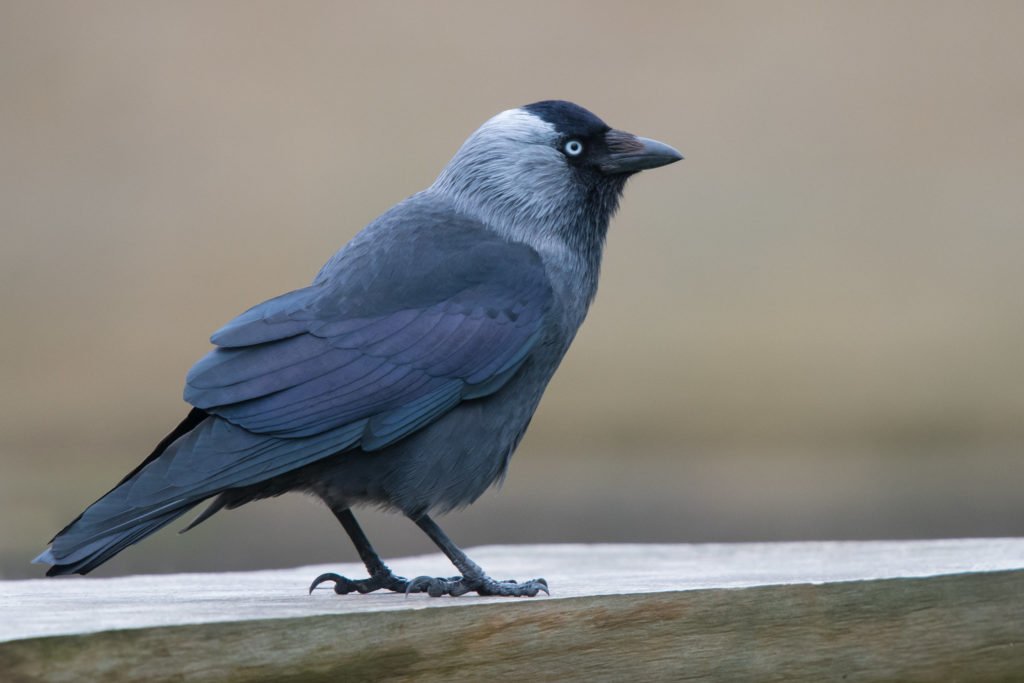
The general licences vary between countries but changes across the board, driven by our legal challenges, mean that the casual, groundless killing of Carrion Crows, Rooks, Magpies, Jays, Jackdaws, gulls and other birds is no longer acceptable. General licences no longer allow corvids to be killed to protect non-native gamebirds, other than those that are in and around pens; killing birds on most SSSIs is no longer possible without the permission of the relevant conservation body; Jackdaws and Rooks can no longer be killed for conservation reasons; and gulls have been removed entirely from the general licences.
Predictably enough, Wild Justice has been heavily criticised by the farming and shooting lobby for our work in this area. And yet it is hardly unreasonable to ask our conservation agencies to act lawfully and to consider the impacts of these licences on our declining wildlife. We hope our legal challenges will encourage greater care and more consideration for wildlife when general licences are issued in future.
As a reminder to those who criticise our approach: we are not pressing for changes to the law, just for our existing laws, imperfect as they are, to be respected. We make no apology for our continued scrutiny of general licences as they are reissued or amended. We will continue to challenge those that stray beyond what the legislation permits, or that allow unnecessary killing or unacceptable harms to our beleaguered wildlife.