
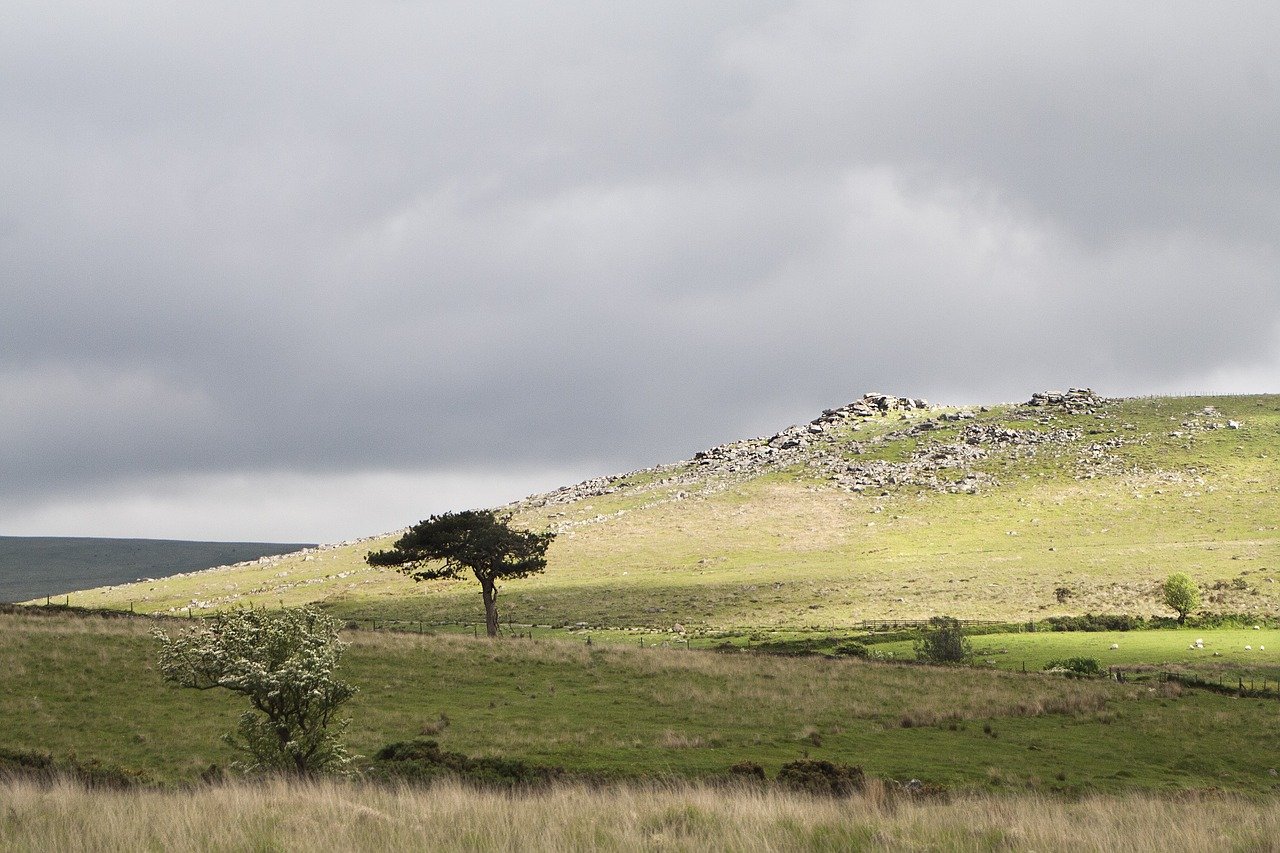
Protected sites in the UK come with a bewildering array of titles and acronyms. They include Special Protection Areas (SPAs) and Special Areas of Conservation (SACs) for birds and other wildlife of European importance respectively, and Ramsar sites for internationally important wetlands. Sites of Special Scientific Interest (SSSIs), or Areas of Special Scientific Interest (ASSIs) in Northern Ireland, form the core network of nationally important wildlife sites. Crucially, they also provide the legal framework by which internationally important sites are safeguarded. Almost all terrestrial SPAs, SACs and Ramsar sites are also SSSIs.
After the second world war, attention turned to rebuilding and a fresh start, and people started to notice that places rich in wildlife were becoming less common. They were increasingly being lost to intensive agriculture, development and other human activities. Legislation was passed to protect some of the best surviving examples of each different habitat, including flower-rich meadows and grasslands, ancient woodland, wetlands, heathland, moorland, saltmarsh, sand-dunes and estuaries, as well as sites with important geology.
Identifying the initial sites, defining the boundaries and notifying the landowners (a requirement of the legislation) was a monumental piece of work that took several years. Since then, further SSSIs have been added to the network (and a few have been lost), and the legislation has been updated, but the system remains essentially the same. SSSIs enjoy greater protection from development and damaging activities than other sites, and (in theory) they are required to be managed appropriately so that their special wildlife is maintained.
There are roughly 7,000 SSSIs in the UK (just over 4,100 in England) and they cover between about 8% (England) and over 12% (Scotland) of land within the respective countries. Most are small, sometimes just a few hectares or less, but others are much larger, especially those that contain extensive coastal or upland habitats. It’s easy enough to search for SSSIs (and other protected sites) using the government’s mapping website and to find information about them including the reasons for notification, and whether or not they are in good, or ‘favourable’, condition: see Magic Map Application.
The principle of protecting our best remaining wildlife sites is hard to fault. The problem is not the idea itself, but the lack of resources to make it work properly. Habitat and species specialists are required to visit SSSIs to make sure they are being well managed, and staff time is needed to enforce the laws that protect them. This is the role of our statutory conservation agencies. But having inherited the SSSI networks they are failing in their duty to maintain them. Site monitoring is inadequate and too little funding is available to restore sites that are no longer in favourable condition. When illegal activities result in damage, often nothing much is done to hold those responsible (usually the owners) to account.
We published a report in 2023 based on the findings of a freedom of information request to Natural England which concluded that:
Wales and Northern Ireland face similar issues of under-resourcing and while the picture is a little rosier in Scotland, many of the same challenges apply there too.
In blunt terms, it seems SSSIs have fallen down the list of priorities. Government and its conservation agencies bombard us with new strategies with fancy titles, and a relentless stream of 5, 10 or even 25-year plans, full of shiny new initiatives and targets. They talk a good game. Reports mount up on our shelves, gathering dust, soon to be replaced by the next one on the production line. And all the time, the core, essential work of looking after our best sites for wildlife slips further down the agenda.
We worry that SSSIs have come to be seen as unsexy, a subject that doesn’t often hit the headlines, so that funding and staff levels can quietly be cut without people noticing. And yet what could be more important than looking after these ‘jewels in the crown’ – the very best of our surviving sites for wildlife? If we are failing to monitor them adequately, and failing to ensure they are properly looked after, what hope is there for declining wildlife in the wider, unprotected countryside? And what hope for the complex, difficult work of habitat restoration and ‘rewilding’ if we can’t even look after the sites we already have?
We believe there should be a reinvigorated focus on SSSIs. They are at the core of UK nature conservation and deserve to be treated as such. We made the following recommendations following our report about SSSIs in England, and believe they could usefully be applied to SSSIs/ASSIs throughout the UK:
As with our recent legal actions concerning the overgrazing of SSSIs on Dartmoor, unacceptable coasteering disturbance to the Ceibwr Bay SSSI in Cardigan Bay, and harmful gamebird releases on, or close to, SPAs, we will continue to take on cases where important sites are being harmed. But our priority will be to maintain an overview of national progress with SSSIs. The UK government has signed up to a globally agreed, flagship target to protect 30% of our land for conservation by 2030. How, we ask, will they achieve this if even the very best 8-12% of land set aside for wildlife is not being looked after? We hope that, in the coming years, the vital work of protecting and managing our SSSIs will be taken far more seriously.