.
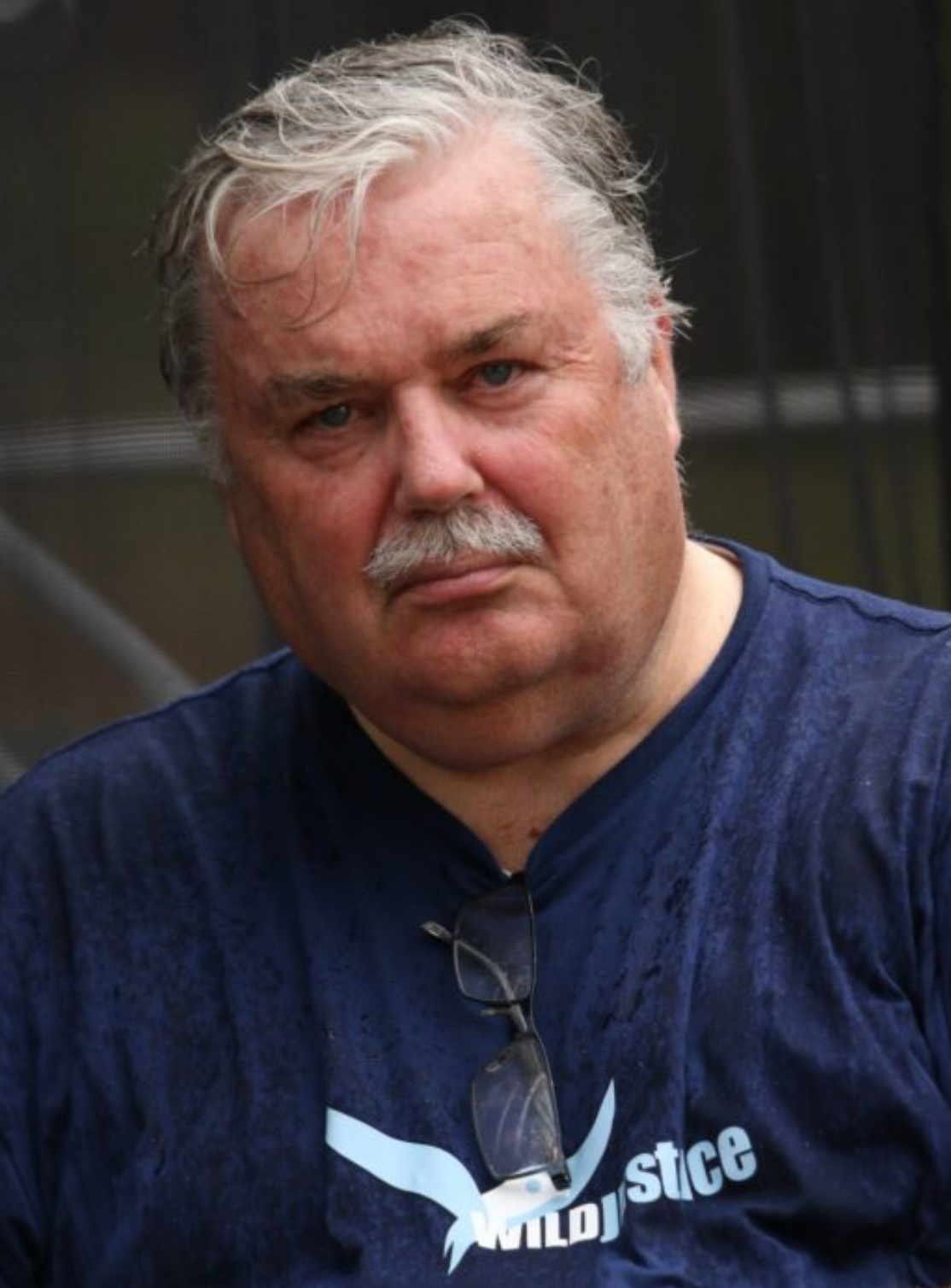
I am one of the co-founders and co-directors of Wild Justice but I write this in a personal capacity. I am a scientist (evolutionary biologist and ecologist) by training, and I worked for the RSPB for 25 years. Since 2011 I have done pieces of freelance work for several wildlife organisations, written several books, blogged, campaigned and helped set up Wild Justice.
I first voted in the 1979 general election and have rarely voted for a successful candidate. I am a member of the Labour Party and have, in the past, voted Labour (often), LibDem (rarely but where they stood a chance of displacing the Conservatives) and Green (mostly in local and EU elections). I’ll be voting in the Corby and East Northamptonshire constituency on 4 July where there is no SNP candidate, but I have friends and relatives living in Scotland, and a degree from a Scottish university, and maybe I’ll move north some time, but in any case I am interested in politics generally.
This is my review of, and my thoughts about, the environmental implications of The Scottish National Party election manifesto.
Things I like:
Things I don’t like:
Things that appear to be missing:
Overall assessment: the manifesto reads like a demand for money. If you live in England, Wales or Northern Ireland then you might do well to read this manifesto and see what demands are being made of you. If the Barnett formula isn’t fair then it needs to be made fair even if that disadvantages English residents and taxpayers. I am a great supporter of fairness. Those who oppose Scottish independence (not me) would do well to ensure fairness across all four UK nations in allocation of money as part of a defence against schisms. However, Scotland does have its own parliament and decides a great deal of its own affairs, but this is a manifesto for a UK parliament election, not a Scottish election. MPs come to Westminster from Scotland (Wales and Northern Ireland) to help decide UK matters. MPs go to Westminster from English constituencies to decide English matters and UK matters. Westminster is a hybrid parliament – see below for more.
Would I vote for these environmental policies?: the question is moot because there is no SNP candidate standing in Corby and East Northamptonshire despite the fact that Corby hosts a large and impressive Highland gathering – the next of which takes place 10 days after the general election. The last time I visited the Labour Club in Corby, which was probably over a decade ago, Scottish accents were commonplace and pints of McEwans export were being drunk, as Corby had the nickname of ‘Little Scotland’ due to the number of Scottish steelworkers who had moved to work in the Corby steelworks.
However, the MPs sent to Westminster from Scotland can vote on English-only issues, whereas the MP I help to elect in Corby cannot vote on Scotland-only, Wales-only or NI-only issues because they don’t sit in the devolved nations’ legislatures. This is the famous West Lothian question and for a while at Westminster, MPs from English seats had a veto on England-only issues – see English Votes for English Laws, EVEL – click here.
If MPs from Scottish constituencies influence my environmental future on England-only matters I won’t be chuffed, unless, of course, they vote the way I’d like! If MPs from non-English constituencies had a decisive say on licensing (or better a ban) of driven grouse shooting in England then whichever way it went, one side or the other in England could rightly feel hard done by. This set-up is a recipe for future strife and needs sorting out rationally and fairly – the trouble is that the short term interests of the Westminster English government (as opposed to the Westminster UK government) are strongly determined by whether they think they will gain or lose in the short term from EVEL.
This is one of a series of opinion pieces on the political parties’ 2024 general election manifestos. They were commissioned by Wild Justice several months ago by approaching a wide variety of conservationists and environmentalists long before the date of the general election was known. Some people who originally agreed to write pieces found the date and short timescale impossible and had to back out. We did not know what they would write and their only brief was to pick one or two political parties’ election manifestos and tell us what they liked and didn’t like about their environmental policies. We didn’t tell people what to write and we haven’t edited what they wrote (except to squeeze things into a common format, to correct minor grammatical and spelling errors and typos). The views expressed here are not necessarily those of Wild Justice.